Terrell Creek: A Legacy of Salmon Habitat Improvement

By Eli DeWitt, Instream Project Manager

Terrell Creek is a shoreline stream that originates from the 200-hectare Lake Terrell in northwest Ferndale. It flows just over 7.5 miles through a mix of agricultural, residential, and conserved lands before emptying into Birch Bay in Blaine. The Washington Department of Fish and Wildlife (WDFW) owns the Lake Terrell Wildlife Area, which is used for waterfowl hunting and fishing.

Much of Terrell Creek is under conservation due to efforts by British Petroleum (BP), WDFW, and Birch Bay State Park, as these entities own large portions of the watershed. The Nooksack Salmon Enhancement Association (NSEA) has collaborated with approximately half of the landowners along the creek, working to restore its habitat since the early 2000s. Over the years, we have partnered with local groups such as the Chums of Terrell Creek and Birch Bay Watershed and Aquatic Resources Management District (BBWARM) to improve the Terrell Creek watershed.

Historically, Terrell Creek supported healthy runs of coho and chum salmon, as well as steelhead and cutthroat trout. However, these populations have declined due to habitat loss, degradation, and human alterations such as the removal of beaver dams, wetland drainage, and channel dredging. One major issue NSEA has worked on is removing fish passage barriers. Since habitat loss is a key factor in the decline of salmon populations, improving access to suitable habitat is essential for their recovery.

NSEA has taken multiple steps to improve access for migrating fish in Terrell Creek:

  • 2007: We removed a concrete dam from private property, improving access to upstream habitat in Terrell and Fingalson Creeks and their tributaries.

  • 2012: In partnership with WDFW, the concrete dam just downstream of Lake Terrell was removed. While a small check dam remains to stabilize the lake level, this project restored a more natural water flow and improved fish access to the lake and its tributaries.

  • 2014: We replaced a barrier culvert with a concrete bridge on private property, improving fish passage while ensuring landowner access to their property.

  • 2019: Removed barrier culverts and installed concrete bridge on a Lake Terrell tributrary to improve upstream access for fish, and again ensuring access for the landowner.

  • 2021: We retrofitted a concrete box culvert with flexible rubber baffles, which slow and back up water flow, allow sediment accumulation, and create resting areas for fish. We also placed logs for habitat and sediment control on the reach between Brown Rd. and Aldergrove Rd.

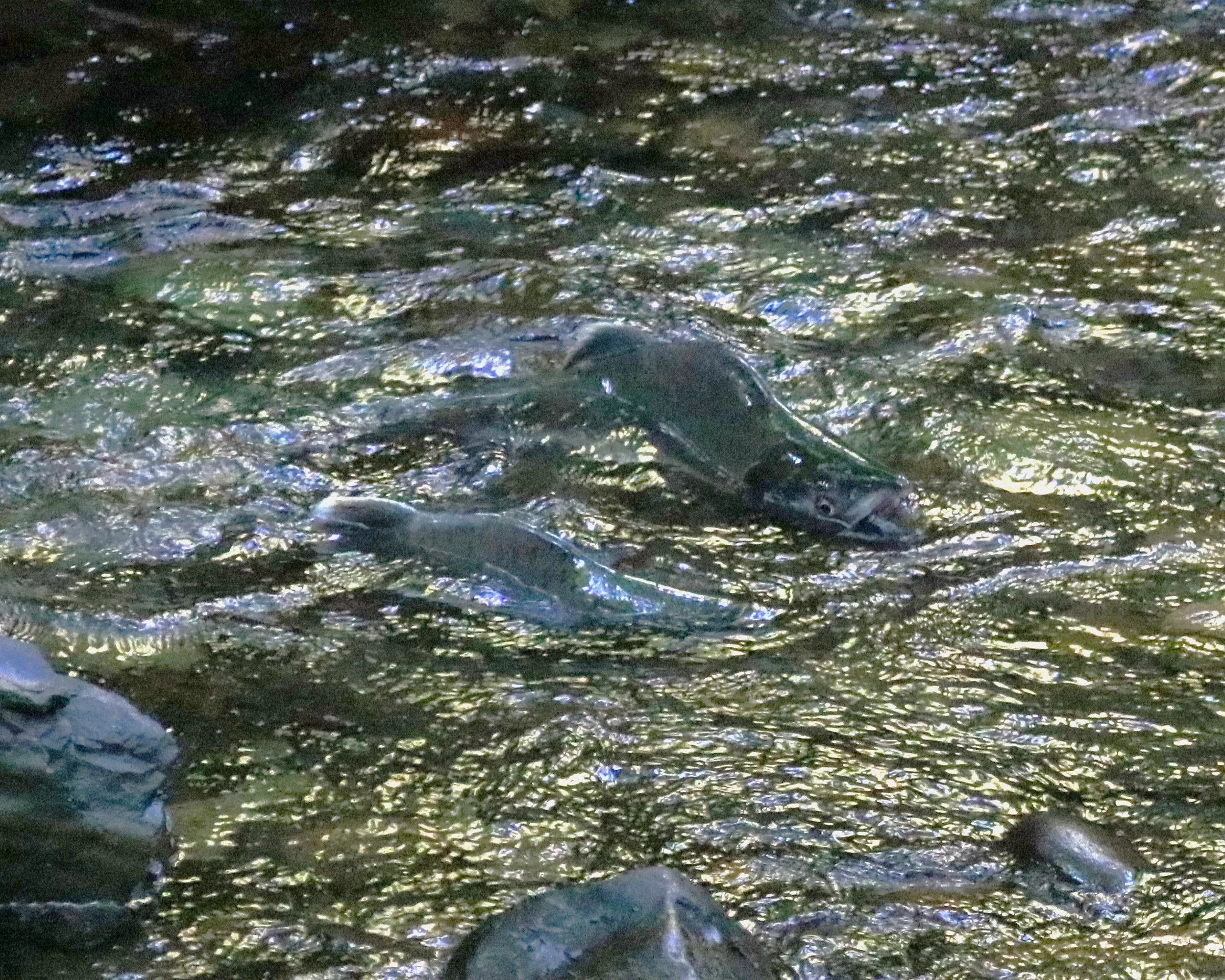
Thanks to these efforts, fish passage along Terrell Creek has significantly improved over the past two decades. Chum salmon have been spotted just downstream of Lake Terrell, signaling the restoration of fish access at least to the lake.

Join us on Friday, April 25th, for a Terrell Creek Habitat Tour to learn more about our restoration efforts and their impact on salmon recovery.

Stay tuned to Fish Tales as we continue the tale of Terrell Creek with the addition of large woody debris!

2014 Before culvert removal

2014 After removal
The Nooksack River Stewards: A Stewardship Success Story

The Nooksack River winds from the lush forests of Mount Shuksan and Mount Baker, merging three river forks into a single channel before flowing through the agricultural plains of Whatcom County toward Bellingham Bay. It is home to five species of Pacific salmon, each playing a vital role in the region’s culture, economy, and environment. As recreational activities such as fishing, boating, and camping draw visitors to the river every summer, preserving the health of this ecosystem is essential to sustaining these iconic fish. This is where the Nooksack River Stewards stepped in.

The Nooksack River Stewards program was a community-driven initiative dedicated to protecting the river’s natural resources while educating the public about the impacts of human activity on the environment, particularly on local salmon runs. This program brought together passionate individuals who worked tirelessly to maintain the river as a thriving habitat for salmon while offering valuable educational experiences to visitors and local residents alike.

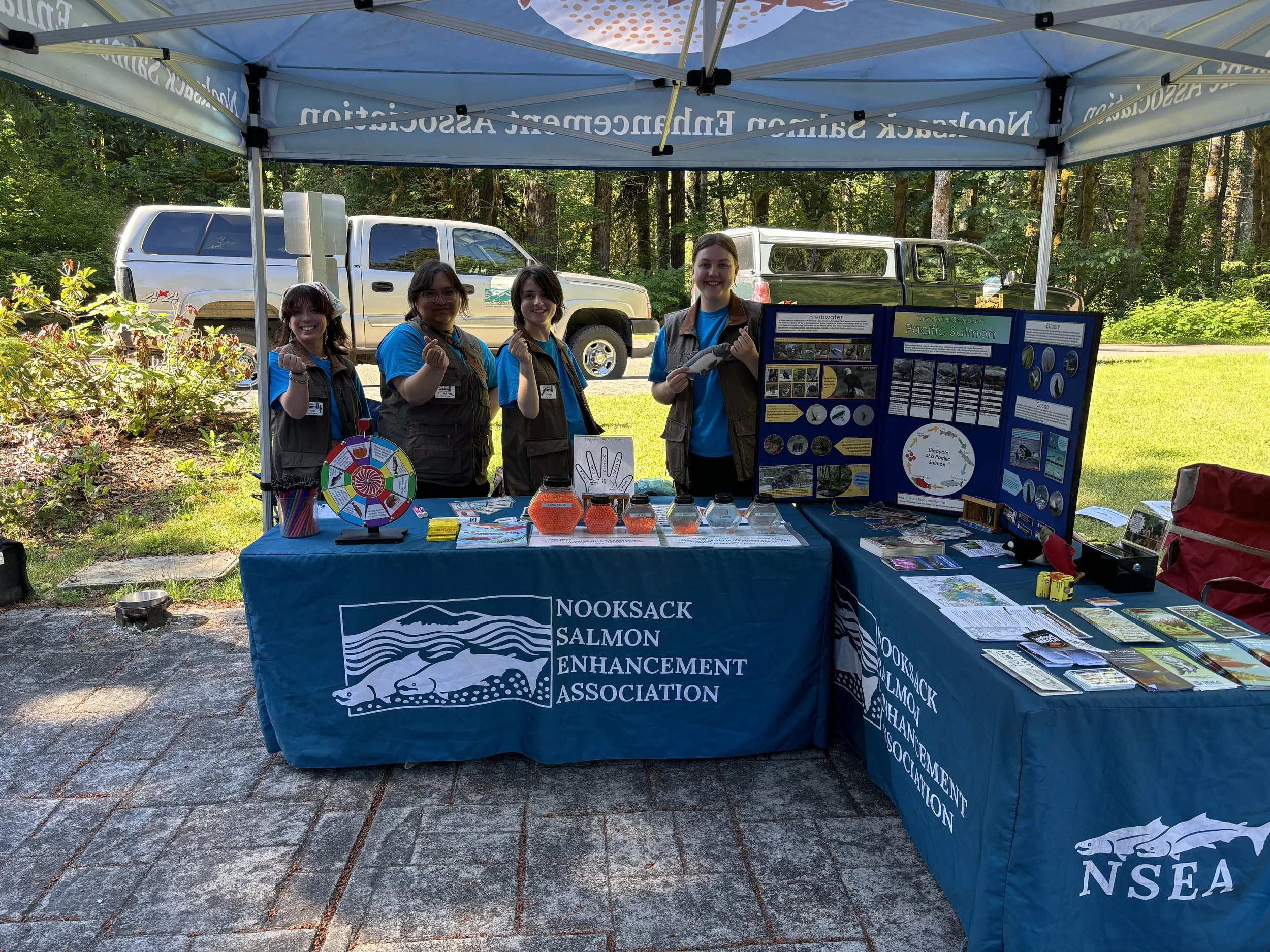
After 20 years and nearly 45,000 public interactions, the Nooksack River Stewards program has come to an end. Created out of necessity, the program successfully fulfilled its mission. However, its most impactful elements—such as volunteer litter pickups, upriver Salmon Sightings, and stewardship-oriented outreach—will continue, woven into existing programs that share these priorities.

The Beginnings

The program’s history dates back to the late 1990s when the U.S. Forest Service (USFS), Mount Baker Ranger District, and the Washington Department of Fish and Wildlife (WDFW) established a seasonal Nooksack River Steward position. This role was designed to monitor and protect salmonid populations and their habitats in the Nooksack River basin while educating the public about their ecological significance. In 2005, the program transitioned from a partnership with WDFW to one with the Nooksack Salmon Enhancement Association (NSEA).

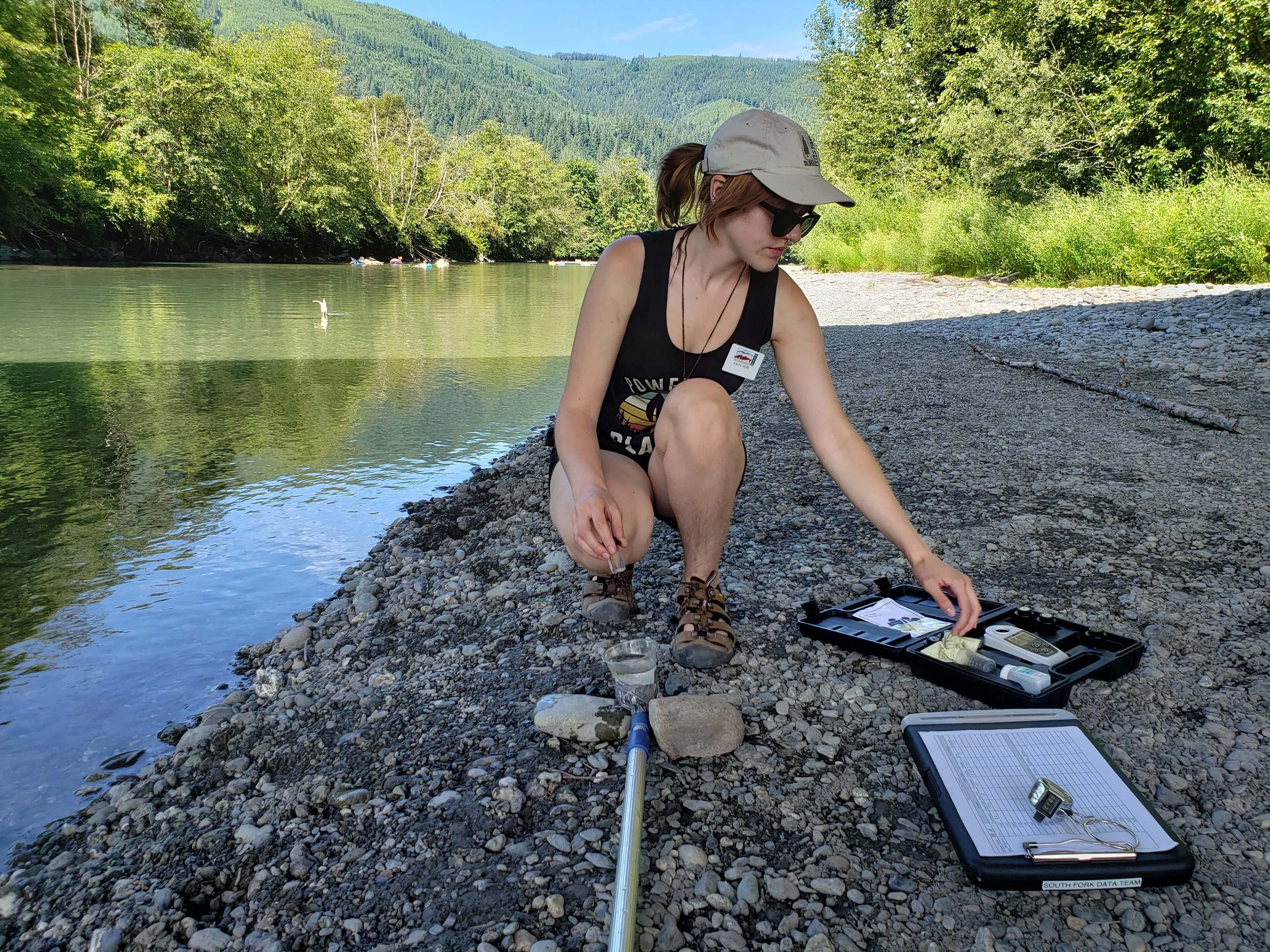
The Glacier Public Service Center in the Mount Baker-Snoqualmie National Forest served as the program’s primary field base. From there, River Stewards dispersed into high-use recreational areas along the North Fork Nooksack River, where the remaining population of Chinook salmon had dwindled to an estimated dozen returning spawning adults annually—the lowest in recorded history. Throughout the season, River Stewards monitored river health, tracked conservation progress, and developed strategies to protect the ecosystem. Their role was critical, not only in safeguarding the environment but also in fostering a shared responsibility for the Nooksack River and the future of salmon.

Outreach and Education with a River Backdrop

The Nooksack River attracts visitors from all walks of life—anglers casting their lines, rafters navigating the rapids, and campers enjoying the natural beauty. However, each of these activities can impact the salmon population and overall river health. The River Stewards played a crucial role in engaging these visitors, promoting responsible and sustainable recreation.

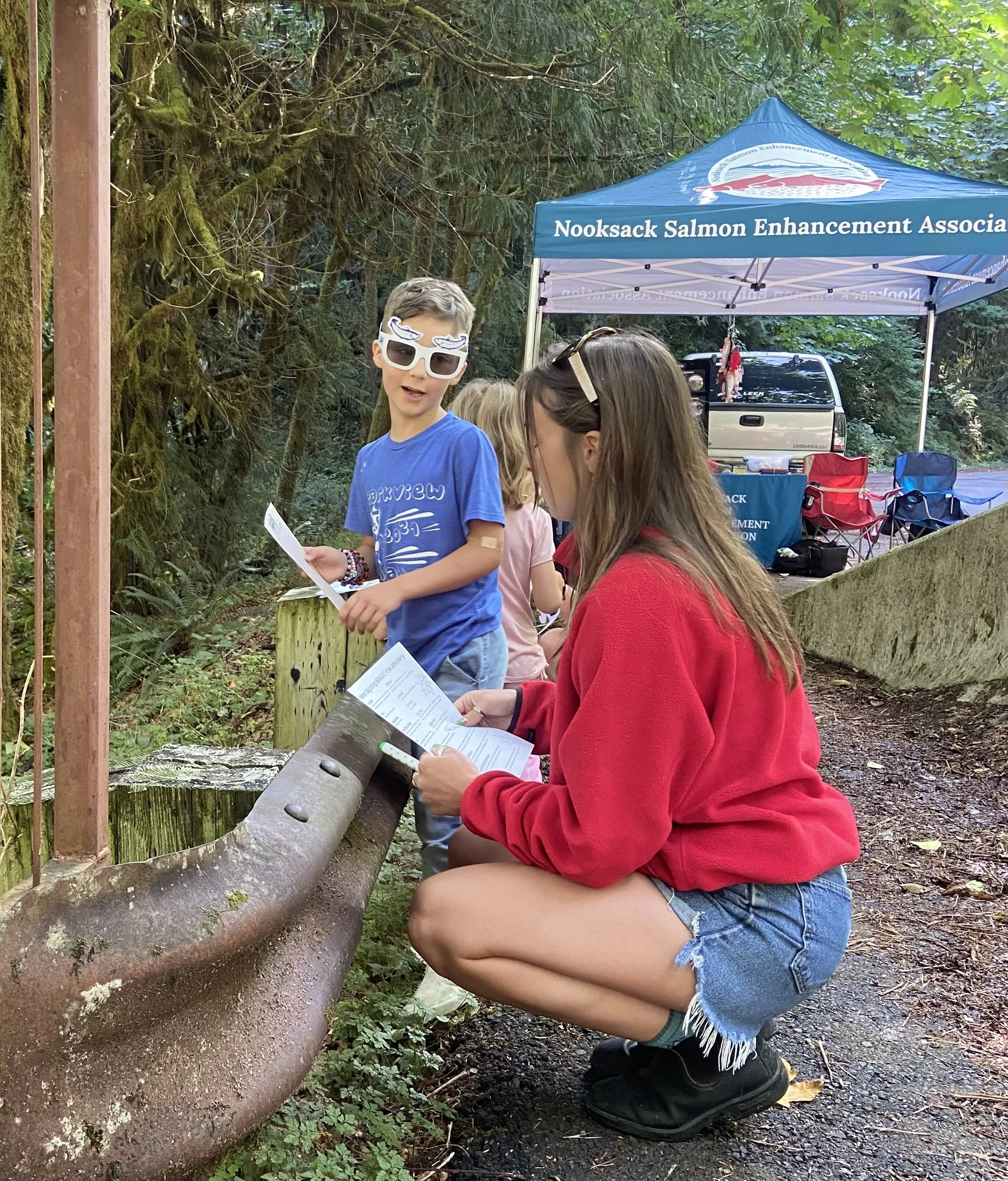
Through informal, one-on-one interactions, River Stewards educated individuals about the importance of protecting salmon runs. They provided up-to-date fishing regulations, explained how river health sustains the salmon lifecycle, and highlighted how litter from dispersed campsites can degrade water quality. This personalized approach made conservation accessible and meaningful.

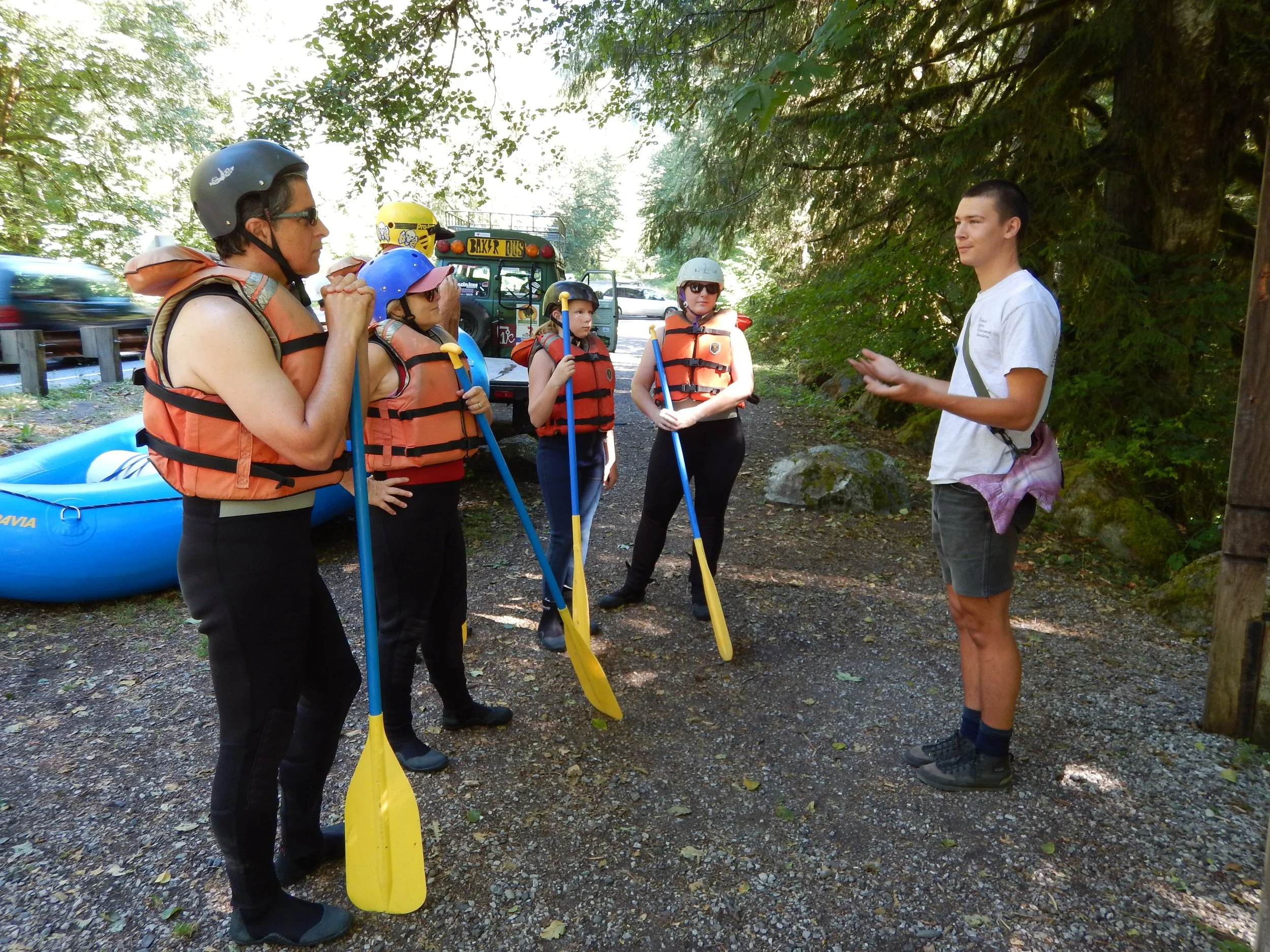
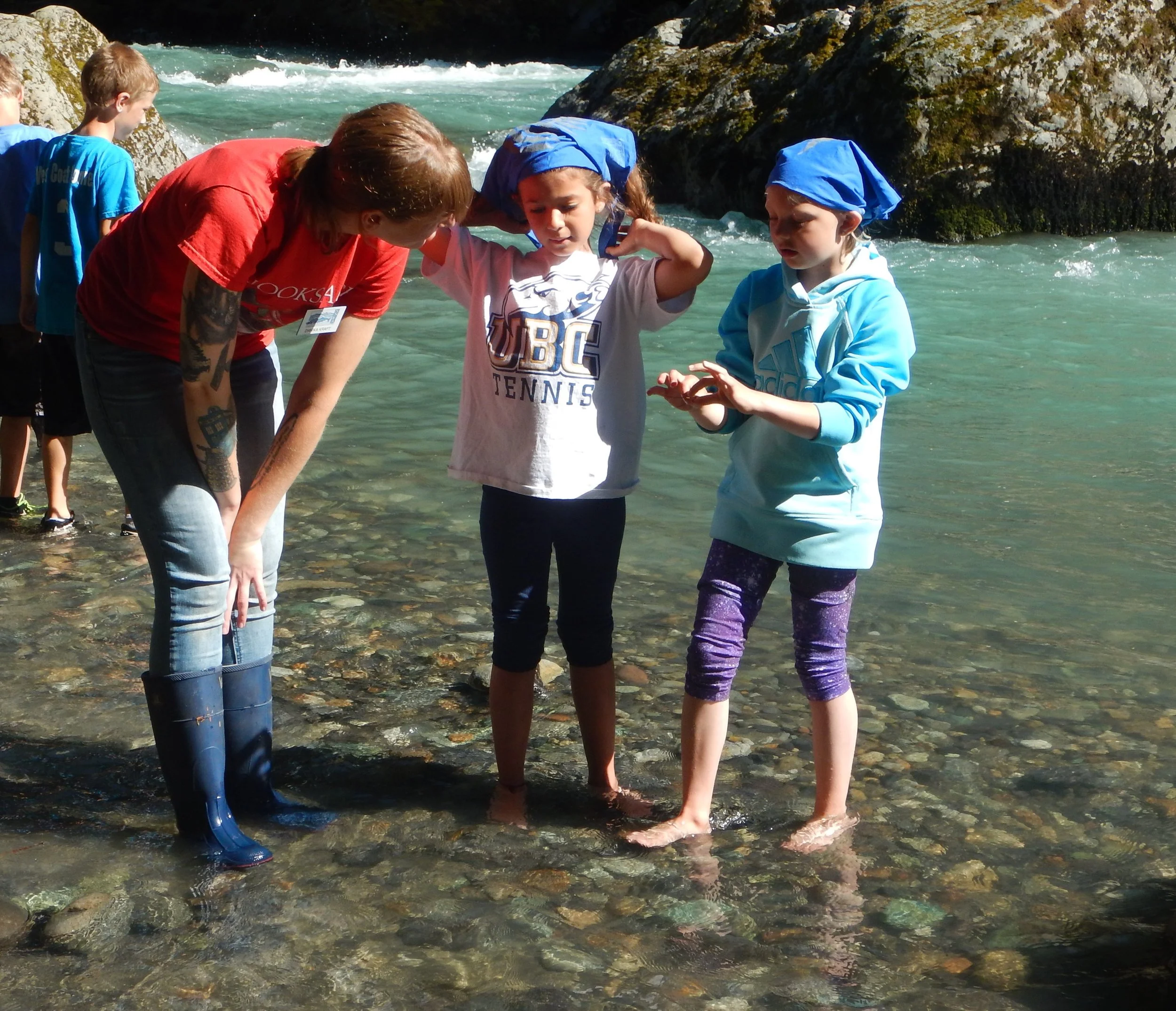
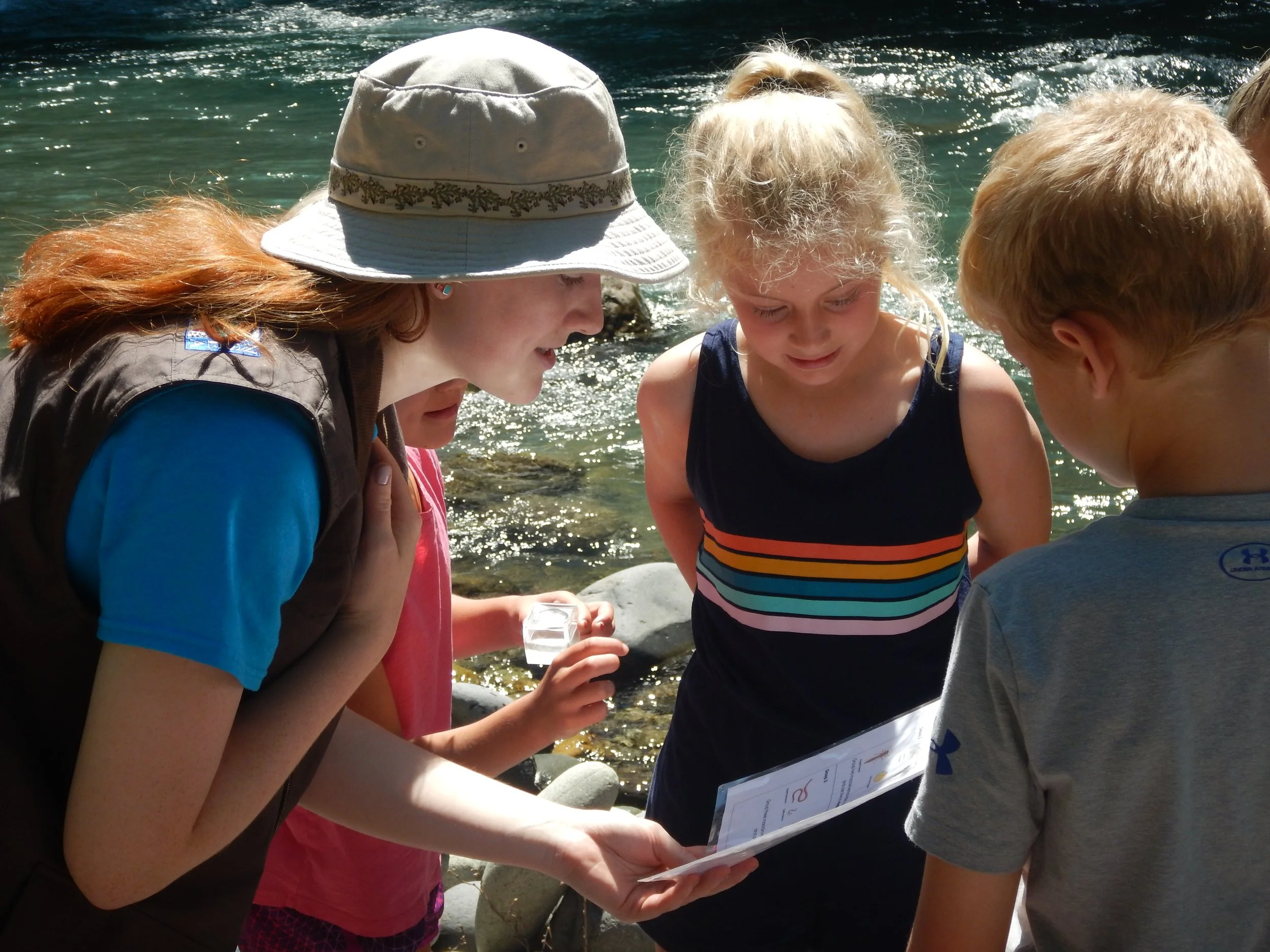
In addition to informal outreach, the program offered structured educational experiences. River Stewards organized and led environmental education sessions for local schools, youth organizations, and commercial rafting groups. These sessions covered a range of topics, from the ecological significance of salmon to the human impact on river systems.

By partnering with area schools and youth programs, the Nooksack River Stewards instilled an environmental ethic in the next generation. Teaching children and young adults about the river’s delicate ecosystem encouraged long-term stewardship and fostered a sense of pride in protecting local natural resources. For commercial rafting groups and outdoor adventure organizations, the Stewards provided tailored education on minimizing ecological damage while still enjoying the river’s beauty.

Sunsetting a Long-Standing Program

The program was originally designed to address poaching and litter accumulation from dispersed camping along the North Fork Nooksack River. Each year, its priorities evolved to maximize impact, and the need for intensive monitoring gradually decreased. By 2020, the program primarily focused on engaging visitors at the Glacier Public Service Center and incorporating educational events such as campfire storytelling at Douglas Fir Campground, Salmon Sightings in odd years, and Fish Trivia nights.

In 2023, the program expanded to include education and litter cleanup along the South Fork Nooksack River while continuing efforts in the North Fork. However, as staff reassessed the program’s relevance and effectiveness, they determined that a standalone education initiative was no longer necessary. Instead, the most impactful aspects of the program will continue under NSEA’s broader Stewardship Programs.

Over two decades, the Nooksack River Stewards program influenced tens of thousands of people. A heartfelt thank you goes out to the countless partners, funders, staff, and volunteers who made this initiative possible.